

Identification of Circular Business Strategies across Value Chains
PROPLANET addressed circularity by supporting the transition from linear production models to resource‑efficient and regenerative systems, embedding circular‑economy principles through the development and implementation of SSbD coatings across the textile, glass, and food‑packaging‑machinery value chains.
The circular ecosystems of the textile, food‑packaging‑machinery, and glass value chains are presented in Figures 1, 2, and 3, respectively. These mappings illustrate how circularity can be integrated across all stages of the value chain, including product design, sourcing, manufacturing, logistics, marketing and sales, product use, and end‑of‑life management. Across these stages, a range of circular strategies was identified, such as the use of bio‑based and natural materials, substitution of virgin materials with recycled alternatives, durability enhancement through coatings, low‑carbon sourcing and distribution, and the development of reuse, recycling, and recovery pathways. Cross‑value‑chain interactions were also considered, enabling the valorisation of materials and components beyond their original application.
Textile Value Chain
The textile sector is recognised as a priority value chain due to its high resource consumption, emissions, and waste generation. PROPLANET integrated circular activities across the textile value chain by developing bio‑based coatings that enhance durability, reduce material use, enable recycling within or across value chains, and lower CO₂ emissions. This approach supports long‑lasting products and reduces reliance on virgin materials.
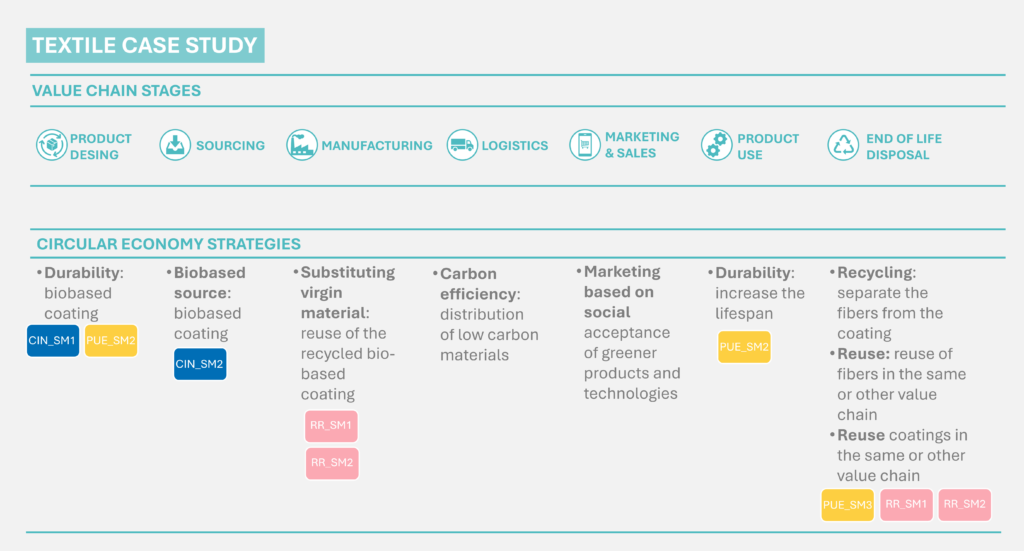
Figure 1. Circular Ecosystem for Textile Value chain proposed by PROPLANET
Food Packaging Machinery Value Chain
The machinery sector faces inefficiencies related to sub‑optimal equipment use and limited circular design. PROPLANET addressed these challenges by developing recyclable, durable coatings that enhance machine performance, extend component lifetimes, and facilitate material recovery. Circular strategies such as modular design, maintenance services, and improved disassembly support compliance with sustainability and regulatory requirements while improving operational efficiency.
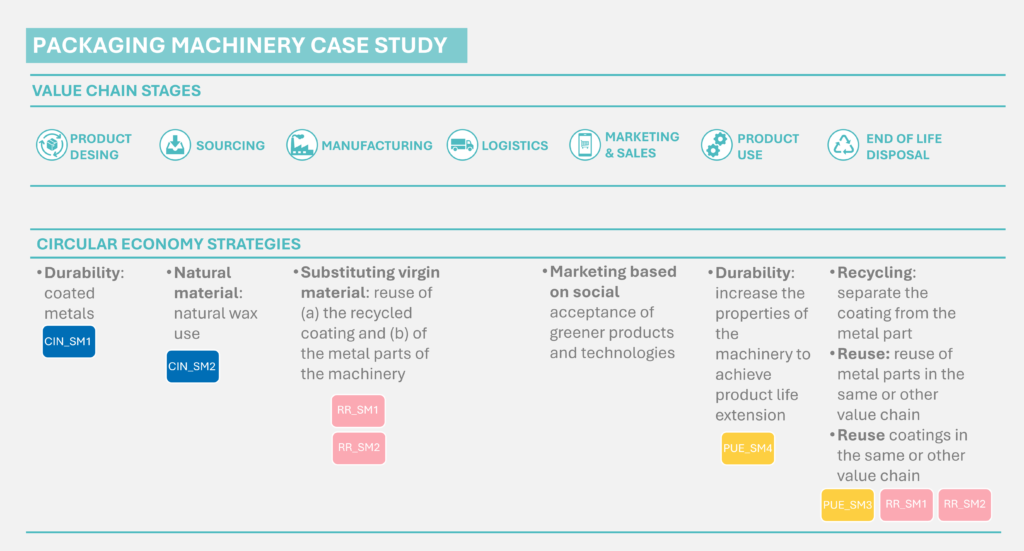
Figure 2. Circular Ecosystem for Packaging Machinery value chain proposed by PROPLANET
Glass Value Chain
Glass is inherently recyclable, but applied coatings can complicate circularity. PROPLANET addressed this challenge by selecting coatings compatible with recycling while delivering required performance for applications such as building glass, automotive glazing, mirrors, and solar panels. Circular strategies focused on enabling the reuse and recycling of both glass and coatings, allowing materials to re‑enter the same or alternative value chains without compromising functionality.
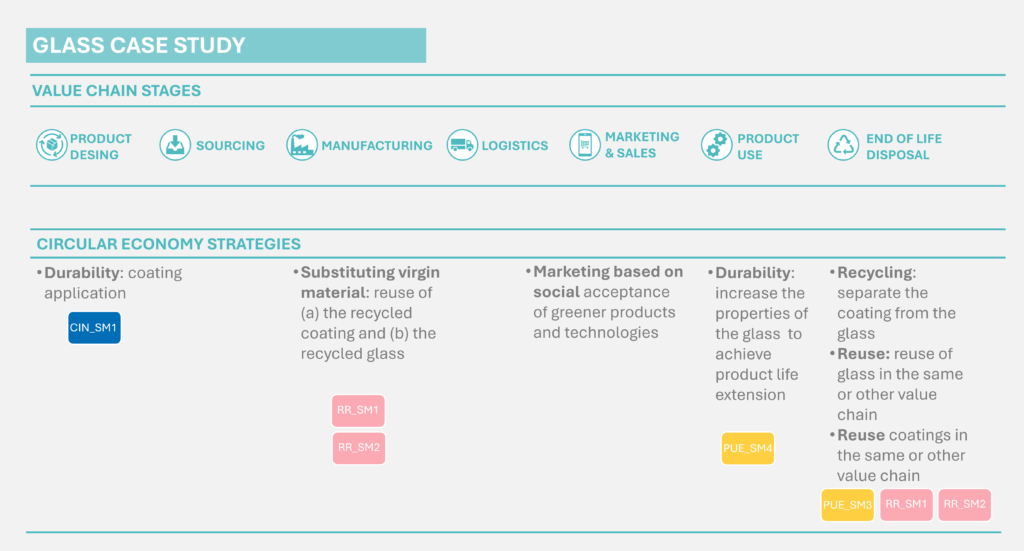
Figure 3. Circular Ecosystem for Glass value chain proposed by PROPLANET


