Revolutionising Food Packaging: High Performance Bio-Based and Hybrid Coatings
By admin
Introduction
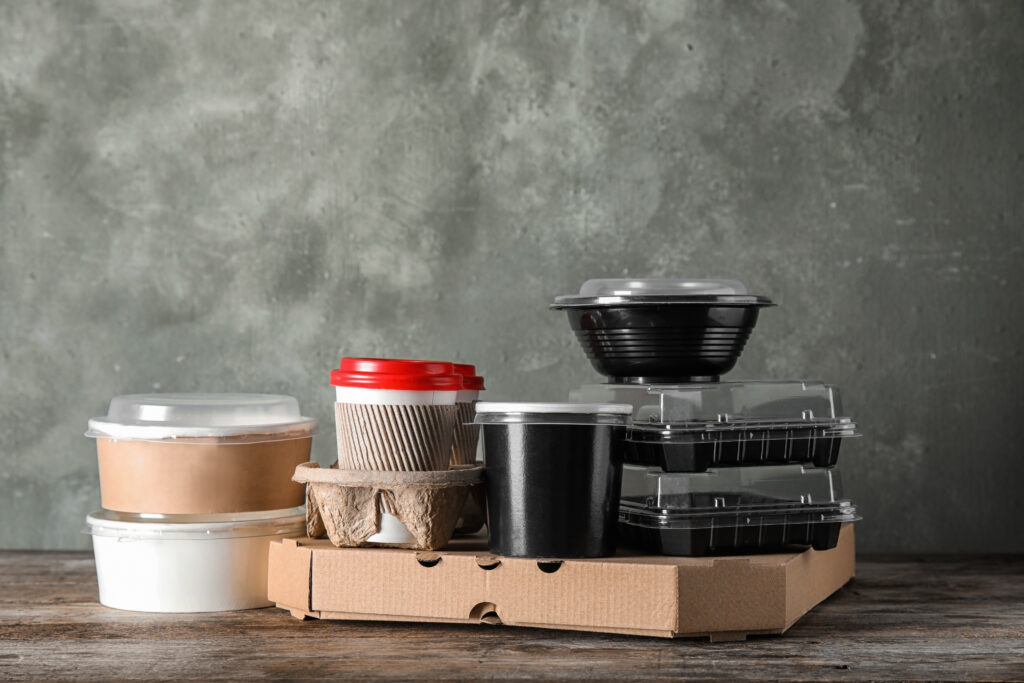
The growing need for safer and more sustainable material solutions has led the packaging industry to change dramatically in recent years. Among the most promising developments in food packaging are high‑performance bio‑based and hybrid coatings, which have the potential to significantly transform both packaging materials and processing equipment. Conventional materials can be hazardous to human health and the environment since they are frequently not biodegradable, especially plastics and petroleum‑based synthetic coatings. In particular, PFAS, often referred to as “forever chemicals” because of their persistence, bioaccumulation, and associated hazards, are widely used in conventional coating systems. In response, bio‑based coatings and hybrid material systems—combining renewable components with advanced inorganic or synthetic chemistries—are emerging as effective alternatives. These solutions improve performance, safety, and durability while supporting the transition toward more sustainable material systems across the packaging value chain, including food‑contact materials and packaging machinery [1–3].
The Rise of Bio-Based Coatings in Food Packaging
Bio‑based coatings are produced from renewable resources such as plants, algae, and other biological materials, while hybrid coatings integrate bio‑based components with functional inorganic or synthetic phases to achieve enhanced performance. Compared to traditional polymer‑based coatings, these systems are designed to deliver essential functional properties—such as moisture resistance, durability, and barrier performance—while reducing environmental impact.
The transition toward these alternatives is being accelerated by increased consumer awareness and stricter regulatory pressure, particularly concerning hazardous substances. A major advantage of bio‑based and hybrid coatings is their potential to lower the carbon footprint of packaging solutions by reducing dependence on fossil‑based raw materials and decreasing greenhouse gas emissions throughout production and end‑of‑life stages [4].
Beyond raw material substitution, there is a growing emphasis on lifecycle‑based design, ensuring sustainability improvements are embedded across sourcing, manufacturing, use, and disposal. Importantly, these coatings can also enhance food safety. Conventional systems, such as certain epoxy or lacquer coatings, may contain substances that migrate into food products. Bio‑based and hybrid alternatives are increasingly developed to comply with food‑contact regulations while avoiding hazardous chemistries, making them suitable for containers, trays, wraps, and related applications [5].
Advances and Applications of High-Performance Bio-Based and Hybrid Coatings
Recent advances in materials science have enabled high‑performance bio‑based and hybrid coatings that successfully balance sustainability with demanding functional requirements. Improvements in barrier properties now allow these coatings to protect against moisture, oxygen, and other environmental factors that affect food quality, contributing to extended shelf life, reduced food waste, and improved supply‑chain efficiency [6].
In parallel, research has led to coatings with antimicrobial functionality, enhancing food safety by inhibiting bacterial growth on packaging surfaces—particularly relevant for ready‑to‑eat and convenience foods [7]. Digital design tools, modeling, and simulation approaches are increasingly used to predict coating performance, environmental impact, and potential toxicity, supporting safer and more sustainable innovation.
Crucially, hybrid approaches enable application‑specific customisation. For example, moisture‑resistant formulations are optimised for fresh produce, while oil‑ and grease‑resistant coatings are tailored for fatty foods. In packaging machinery, hybrid coatings can deliver non‑stick behavior, thermal resistance, and mechanical durability, addressing operational challenges while supporting PFAS‑free processing solutions.
PROPLANET Pioneering Sustainable Solutions in Food Packaging Machinery
The PROPLANET project is actively advancing next‑generation bio‑based and hybrid coating solutions for food packaging machinery, with a strong focus on replacing traditional PFAS‑based systems while maintaining high performance standards. The project targets key functional requirements such as oil and grease resistance, barrier performance, durability, and thermal stability.
One notable PROPLANET outcome for packaging machinery is the development of a hybrid siloxane coating with non‑stick properties and high thermal resistance. This solution demonstrates how hybrid material systems can meet demanding industrial requirements while avoiding persistent and hazardous substances. Recent research results confirm that PFAS‑free coating strategies, based on alternative chemistries, can successfully deliver hydrophobic and oleophobic properties across multiple application areas [8].
PROPLANET follows an integrated Safe and Sustainable by Design (SSbD) approach, considering material performance, environmental impact, and human health throughout the entire lifecycle—from material selection to end‑of‑life. Advanced modeling tools, lifecycle assessment, and data‑driven methodologies are used to optimise formulations and predict real‑world behavior. This holistic strategy ensures that PROPLANET’s solutions are not only safer and more sustainable, but also scalable, economically viable, and aligned with industrial and policy needs.
Gupta, V. et al, A comprehensive review of biodegradable polymer-based films and coatings for food packaging applications. Polymers, 2022, https://doi.org/10.3390/ma15175899
Siracusa V., et al., Bio-Polyethylene (Bio-PE), Bio-Polypropylene (Bio-PP) and Bio-Poly(ethylene terephthalate) (Bio-PET): Recent Developments in Bio-Based Polymers Analogous to Petroleum-Derived Ones for Packaging and Engineering Applications, Polymers, 2020, https://doi.org/10.3390/polym12081641
Niaounakis, M., Biopolymers: Processing and Products, Elsevier, 2015
Verbič, A., et al, Unveiling PFAS-free Solutions for Hydrophobic and Oleophobic Textile Coatings, Proceedings of the 10th Socratic Lectures, 2024 https://doi.org/10.55295/PSL.2024.I19